
How to Start Practicing Mindfulness
Over the past year, the importance of mental health has become a common topic of discussion. With the rise of the ever-popular mindfulness app, people are looking for easier ways to cope with stress and find better focus on the tasks at hand. Luckily, being mindful is something that we already do. The trick is learning how to access it, so that you can benefit from it as needed.
How do you get started with mindfulness exercises? What can you expect from it? Is it really much different than exercising your body? Is a meditation workout worth your time? We break down everything you need to know about mindfulness so you can work on areas like anxiety, stress, staying in the present moment, and focusing your mind. Getting into the practice of mindfulness will help you and all those you interact with daily.
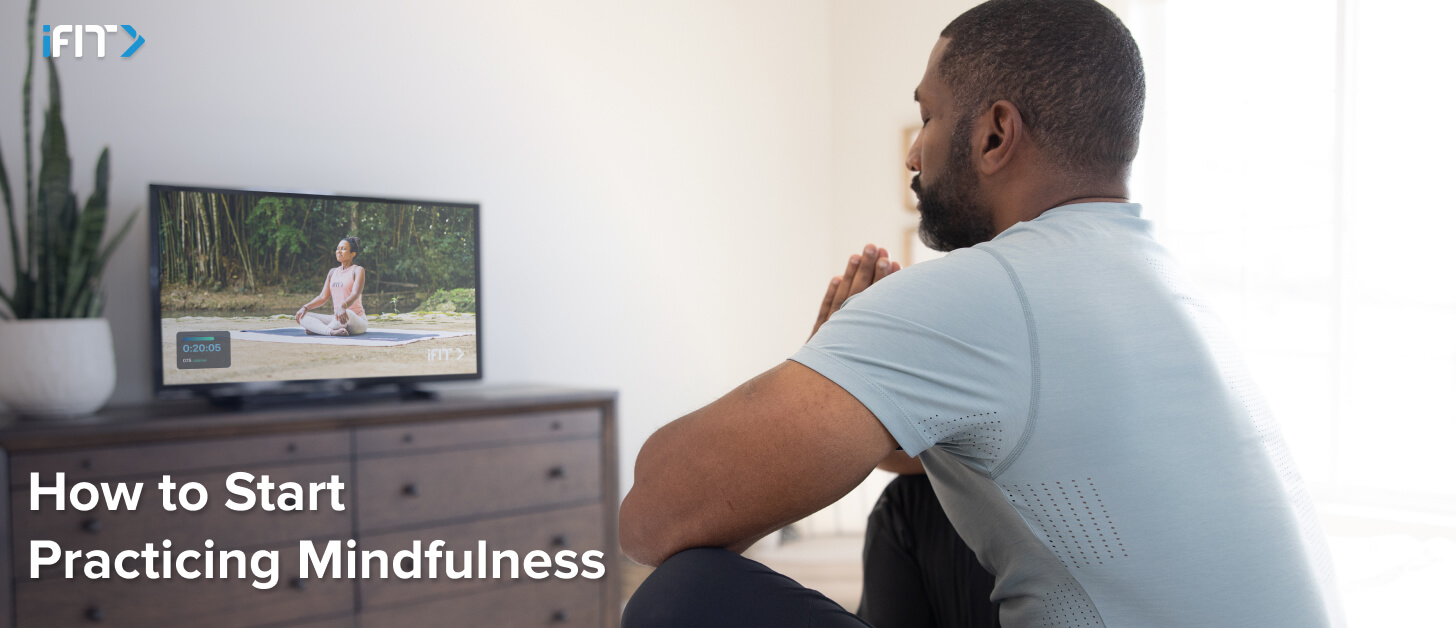
What is Mindfulness?
Mindfulness is a word we often hear, but what does it really mean to be mindful? Jeanne Mahon, Director of the Center for Wellness at Harvard University Health Services, describes mindfulness as “the practice of being aware of what’s going on in the moment.” That is the essence of mindfulness! Another important part of mindfulness, as Mindful Magazine notes, is to “not be overly reactive or overwhelmed by what’s going on around us.” Many of us live fast-paced lives, focused on everyday tasks to check off before the day turns to night. Maybe your day feels monotonous in this way as you go to work, come home, eat dinner, and prepare to do the same thing the next day.
Mindfulness exists as a tool to break us out of that autopilot headspace. Practicing mindfulness isn't learning something new. We are naturally aware of our surroundings and our place within them. However, it’s very easy to lose sight of that awareness when life happens.
At some point, many have felt that they were going through the motions or in a fretful “what-if” state of mind. Plus, mental health in the United States has become a significant concern. In 2020, COVID-19 fractured the normal lives of millions of Americans. According to Mental Health America, “The number of people looking for help with anxiety and depression has skyrocketed.” In the mix of all of this, it’s easy for people to feel distressed.
While not a cure, mindfulness exercises offer a way to improve your psychological health by bringing your mind to full consciousness. Learning how to embrace mindfulness can even have positive effects on your physical well-being. Here are some of the most important benefits that mindfulness exercises can provide.
Benefits of Mindfulness
Maybe you’re thinking, “Mindfulness seems too simple to be effective.” It is true that mindfulness is a simple concept. After all, self-awareness is not a new skill. You can stop and think about your body, what you’re doing, and where you are at any given moment. When you do this, you become fully present to answer questions like these. When regularly practiced with technique, you might be surprised by the impact that mindfulness has on your life.
Contributes to Better Psychological Health
One of the most prominent benefits of mindfulness is its profound effect on mental health. We live in a fast-paced society, where working, eating, and moving quickly are praised. Because of this, it can be challenging to wrap your head around slowing down. However, that is precisely what your mind needs. Just like your body after a workout, your brain also needs recovery time. When was the last time you were able to truly slow down? For some, it only happens on rare occasions.
A recent mindfulness study concluded that mindfulness “brings about various positive psychological effects, including increased subjective wellbeing, reduced psychological symptoms and emotional reactivity, and improved behavioral regulation.” This means that engaging in mindfulness exercises, like meditation, can genuinely improve your mental health.
Psychotherapists often employ mindfulness techniques in treatment plans, helping clients learn how to manage their anxiety, depression, obsessive-compulsive disorder (OCD), and much more. By helping clients turn their thoughts away from potentially negative or harmful thinking, mindfulness acts as a skill they can regularly rely on to promote better psychological health.
Easy to Access and Cultivate
Mindfulness isn’t like learning a new physical exercise. It takes just a few minutes to discover a wealth of valuable techniques to employ whenever you’d like. Mindfulness is accessible to anyone willing to devote time to themselves! It can be cultivated without feeling as though you need to change something about yourself. It’s about becoming more self-aware and allowing yourself to truly connect with your humanness.
Mindfulness is also about learning to refrain from judgment. For example, it’s common for people to reprimand themselves for letting their minds wander away from a task. Mindfulness is easy to integrate into situations like these, as you would redirect your mind to focus on body sensations to return to the present moment. For mindfulness exercises to truly work, you must become comfortable with being forgiving and kind to yourself.
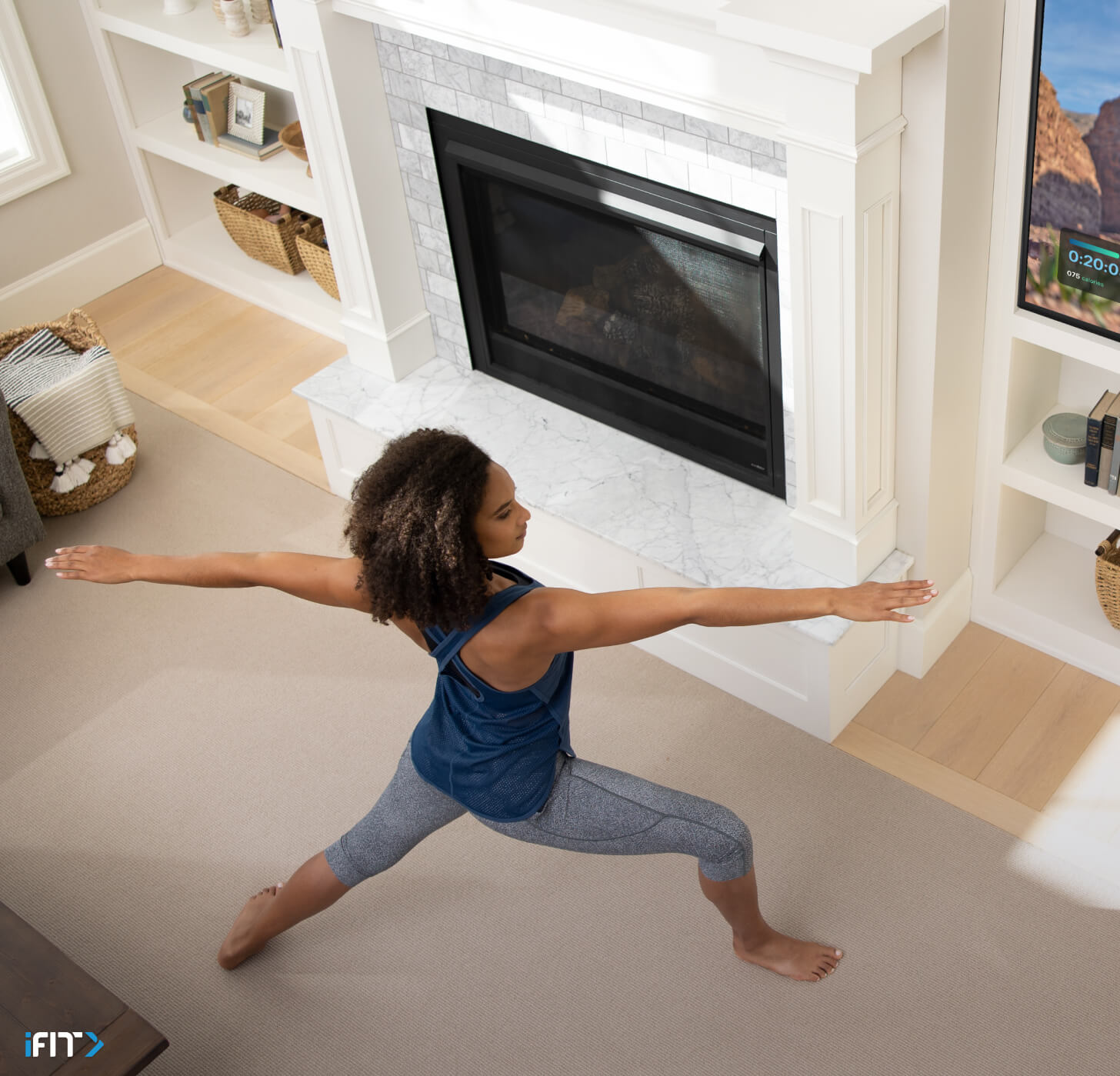
Improves Physical Health
There is a direct link between your mental and physical health. When you’re struggling mentally, your body begins to show signs of that stress. Stress increases cortisol levels, which can be detrimental to your long-term health. While it works as the body’s alarm system, cortisol is triggered by stressful events. Unfortunately, the body cannot distinguish between life-threatening events and less serious issues, like monthly bills. Stress is stress to our bodies, and with that stress comes upticks in cortisol levels.
Fortunately, stress doesn’t have to take control of your life. Mindfulness exercises can help improve your physical health by reducing high cortisol levels. This can have a considerable impact on your life, especially if you experience high-stress situations regularly. Even a short, 15-minute meditation class can have lasting positive effects on your stress levels.
It can also help by lowering your blood pressure, improving sleep, and relieving gastrointestinal issues. These are just a few problems that mindfulness can positively affect. As you work to calm your mind and focus on the present, you can allow yourself to relax more frequently, keeping your stress low.
Allows You to Live in the Present
While it’s often said to live in the moment, it can be challenging to do so with intention regularly. We all worry about different things—family, work, finances, the country, or even the world. It’s almost impossible to live in the present when you’re caught up in the “what-ifs” of tomorrow! Mindfulness exercises call you to become fully aware of your body in the now. During this time, you might notice your breathing or the feeling of the floor under your feet.
Living in the future detracts from life in the present, which is crucial to your overall well-being. By practicing mindfulness, you can better understand your body in the present. How you’re feeling and what you’re doing today matters so much more than spending time planning for things to go wrong in the future. This is not to say to only live in the present, but instead not to allow yourself to rush your today for tomorrow.
Cuts Down on Distraction and Unhelpful Rumination
People can become distracted from their loved ones and career when the mind is unfocused. There are two types of distraction: internal and external. These can derail your day-to-day life, especially if you find yourself becoming distracted often.
Have you ever obsessively thought about something to the point that it became a distraction? Maybe you felt worried over a future decision or your ability to excel in a certain situation. Rumination, while it can be useful, can often become unhelpful. As an internal distraction, negative rumination is a bit more complicated to bring yourself away from. Practicing mindfulness will give you the ability to recognize what you’re doing and, without judgment, direct your thoughts to the present moment. While it may take practice, this will help you become less prone to allowing yourself to ruminate on negative events.
External distractions are much easier to distance yourself from. Popular media, like Facebook or TikTok, offers an avenue to shut off the mind. When there are stressors present (like a large project at work or a recent argument with a loved one), phones, TVs, and computers offer convenient ways to take your mind off your real problems. Mindfulness can help you refocus your mind so you can address your stressors, instead of avoiding them.
Easy Ways to Begin Mindfulness Exercises
With just a few spare minutes a day, you can begin practicing mindfulness exercises. There are several different types of exercises that will help you feel more relaxed and fully conscious. Try these mindfulness exercises out at work, before bed, or in other situations when you feel the need to slow and recenter the mind.
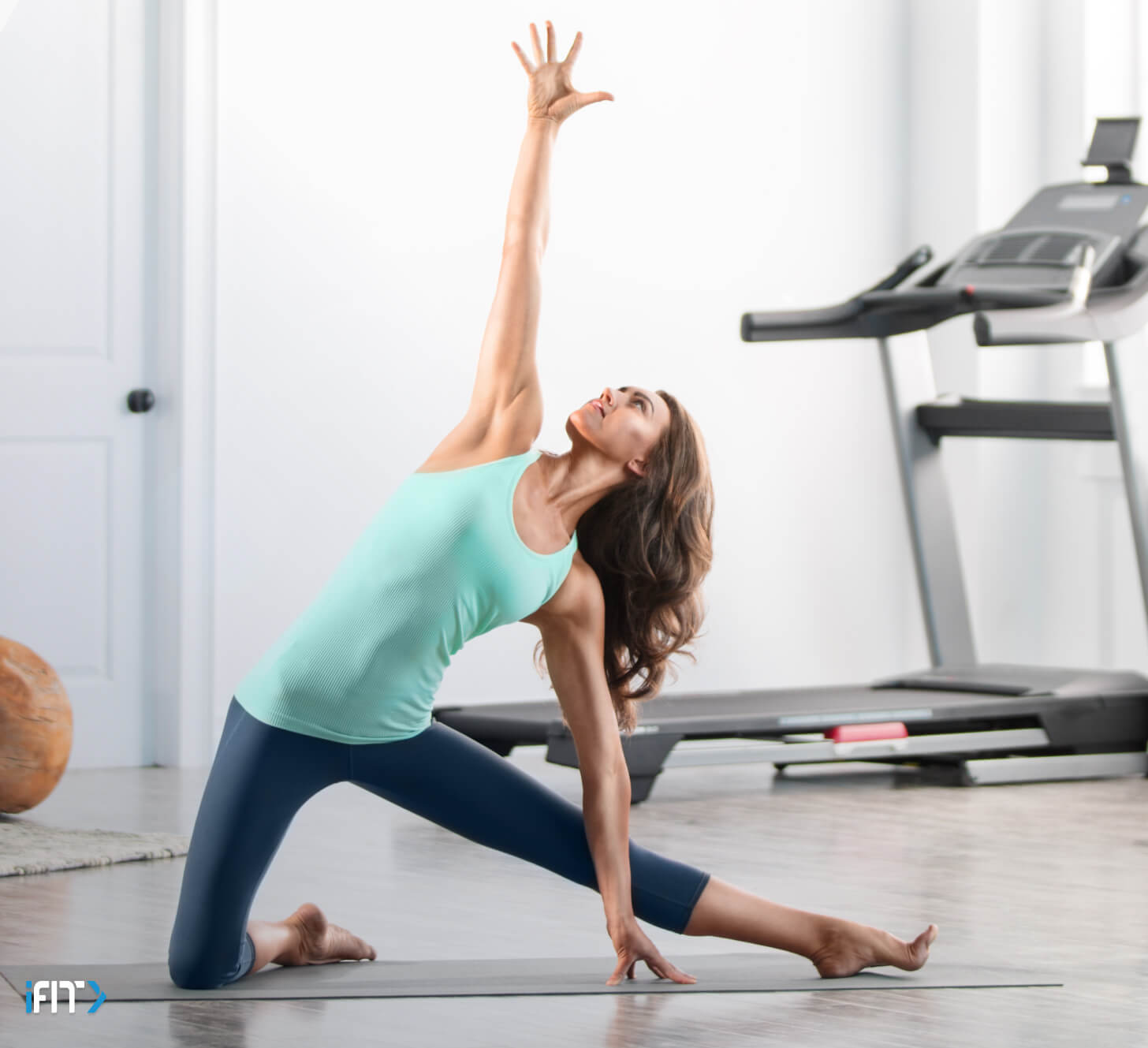
Mindfulness Meditation
Meditation is a formal way of practicing mindfulness. It requires intent and takes a bit more commitment than simply bringing your attention to everyday things, like the smell of a cup of coffee or the feeling of your pet’s fur. However, meditation exercises can provide a sense of serenity that leaves you with a clearer mind.
One of the best ways to step into meditation is by focusing your attention on your breath. Breathing exercises are a great way to quickly regulate your emotions, stop rumination, and help yourself concentrate when an undesirable situation occurs. While there are different ways to do these meditation workouts, here’s one you can begin with.
Find a quiet place to sit in a comfortable position. With your eyes closed, focus your mind on your breathing as the air passes through your nose. Release any tension you notice in your body and allow yourself to relax. Notice how your body feels in this moment as you continue to breathe. If your mind wanders, recognize that it is natural to do this and redirect it back to your breathing. Stay in this moment for five minutes, focused on the natural flow of your breath.
Grounding Techniques
There are many different kinds of effective grounding techniques that direct your mind to the present. If you’re feeling distressed, these techniques help you move away from negative thoughts back to what’s going on in the present moment by using your five senses. Here are a few you can add to your mindfulness exercise playbook.
1. The 5-4-3-2-1 method
Using your senses, begin by looking around the space you’re currently occupying. Name five things you can hear, four you can see, three you can touch, two you can smell, and one you can taste. These things do not need to be special—paint colors, cabinet hardware, and even desk supplies will suffice.
2. Place your hands in water
Head over to a sink and place your hands in the water. Notice the temperature and how it feels from your fingertips to your palms and the backs of your hands. Switch up the temperature and repeat the process.
3. Recite an anchoring phrase
These phrases can be quite simple, with something similar to, “My name is Jane. I live in Los Angeles, California. Today’s date is Friday, July 2. I am lying on my couch.” You can add more to these anchoring phrases with further details. Describe the day’s weather, what your plans are, or if you’re feeling hungry or thirsty.
4. Touch something comforting
When feeling distressed, touch something that feels good to you. Maybe you have a favorite shirt, ring, necklace, or other items that help you feel calm. Notice how you feel when you touch your chosen item. If you can, try to keep a favorite item or texture with you at your desk or on the go.

Try an iFIT Mind™ Workout Series
While the above mindfulness exercises are incredibly useful, you might feel that you’re interested in exploring this practice more in depth. That’s where iFIT Mind™ can be a game changer for your mental well-being. That’s right—iFIT isn’t just a physical fitness app!
As our newest workout category, iFIT Mind™ offers an array of holistic, interactive workout series led by expert personal trainers and guides. These can be done in your home gym so you feel comfortable and willing to begin the journey to bettering your mental health. Our mindfulness workout series are designed to help you make meaningful, sustainable changes in your life that not only impact you, but those around you.
Not sure where to start? Consider these mindfulness workout series:
- Breathwork Series
- Costa Rica Sound Bath Series with iFIT Trainer Thalia Ayres Randolph
- Anxiety: Work it Out Series with iFIT Guide Dr. Jarrod Spencer
- Mood Food: Nutrition For Your Mind with iFIT Guide Dr. Eva Selhub
- Panama Meditation Series with iFIT Trainer Faith Hunter
These mindfulness classes promote whole body well-being over time with practice. Your personal trainer and guide will give you the mental tools to pull yourself into the present and become fully aware of your surroundings. Best of all, you can use these workout series as your daily home workout. Each mindfulness class offers a unique, refreshing experience, so give them all a shot!
Start an iFIT Mindfulness Workout Today
There’s almost nothing better than having a motivating workout partner to hold you accountable. When you’re ready to begin creating lasting change for your mental health, our meditation app is there to help you along your journey! With iFIT, you have complete access to our massive Workout Library with meditation classes to exercise your mental fitness. While some of these mindfulness series consist of walking workouts, others feature restorative yoga classes, tranquil meditation exercise techniques, and even sound healing.
Disclaimer: This blog post is not intended to replace the advice of a medical professional. The above information should not be used to diagnose, treat, or prevent any disease or medical condition. Please consult your doctor before making any changes to your diet, sleep methods, daily activity, or fitness routine. iFIT assumes no responsibility for any personal injury or damage sustained by any recommendations, opinions, or advice given in this article. Always follow the safety precautions included in the owner’s manual of your fitness equipment.
You might also like

Strength Training While on GLP-1: A 6-Week Plan
When your body weight changes, you aren’t just losing fat—research shows you risk losing lean muscle mass, too. Protecting that muscle is the key to maintaining your metabolism and everyday strength. This practical 6-week guide breaks down exactly how to structure a simple, 20-to-30 minute full-body strength routine 2–3 times a week. Built around foundational compound movements like squats and rows, this plan shows you how to safely implement progressive overload without burning out your energy. Give your body a clear signal to keep its muscle and build a routine that sticks.
May 26, 2026

Find Your Stride with Tommy Rivs in the Joy of Running Part 2: Redwoods, Workouts 1-10
There’s just something magical about taking your next step forward, especially when it means you’re surrounded by the towering redwoods and rugged beauty of California’s northern coast. iFIT Trainer Tommy Rivs’ newest series will help you experience the magic of this region with the Joy of Running Part 2: Redwoods, Workouts 1-10. This beginner-friendly program is designed to help you progress from walking to running at your own pace.Explore California’s Scenic CoastSet along breathtaking coastal trails and through scenic redwood groves, this series brings the natural beauty of Northern California to your treadmill. From the peaceful paths of Laguna Point to the rolling meadows of Mendocino Headlands, each workout is an opportunity to breathe, move, and connect with the pure joy of movement.Make Progress with Tommy RivsKnown for his thoughtful coaching and love of movement, Tommy Rivs will guide you through a mix of walking and running intervals to gradually build your endurance and confidence. Each workout keeps the speed steady while changing your movement so you can focus on how your body feels and adapts as you move.Whether you’re returning to fitness or taking your first steps toward running, this series is all about moving forward with purpose. Tommy will help you to:Develop endurance and build strength with progressive intervalsImprove your form and consistency with his expert guidanceReconnect with the joy of movement in an inspiring settingBuild confidence to take on your next running challengeThis is only the beginning; there’s so much more to come with Rivs. For now, lace up those shoes and join him for an incredible journey amongst the redwoods.Join Tommy Rivs in the Redwoods
November 3, 2025
.jpg&w=3840&q=75)
Trainer Games Complete Collection: Every Workout. Every Episode. One Epic Experience.
Experience the full intensity of Trainer Games in one place. The Trainer Games Complete Collection brings every episode, workout, and behind-the-scenes moment together inside the iFIT fitness app, so you can train, watch, and stay inspired alongside elite trainers from start to finish.
February 16, 2026