Is Mindfulness the Same as Meditation?
These days, many of us are working on improving our mental health. Now more than ever, people feel comfortable speaking about mental health and seeking ways to relieve stress, improve focus, and calm anxiety. Mindfulness and meditation are hot topics in the mental health sphere, as they’re easy to get started with and offer real benefits with regular practice. Because they’re so similar, mindfulness and meditation are often used interchangeably. The two are not synonymous, but instead, separate practices.
A Harvard University study showed that a surprising 46.9% spend time thinking about things other than what they’re doing. The mind wanders away from the task at hand to other things in the present, from the past, or in the future. This loss of focus can bring on feelings of frustration and discouragement, which make it even more difficult to return to the original task. This is why mindfulness and meditation have garnered so much praise in the last few years. These practices, though different, each ask you to bring your focus to a specific place. With mindfulness, this could be as informal as noticing the temperature of running water or observing the space around you. With meditation, this focus is usually turned inward in a more formal manner.
It can be confusing when distinguishing the two practices apart, so we’re outlining the specifics of mindfulness and meditation and how to practice them. This will help you choose the right meditation or mindfulness workout next time you’re ready to dive into a new workout series from iFIT Mind™.
What is mindfulness?
You may have heard of mindful eating or mindful listening, but what does “mindful” mean? Mindfulness is a simple practice that asks you to be present, notice your surroundings, and pay attention. When the mind wanders, mindfulness brings it back to the present moment without judgment. Here are a few ways that mindfulness differs from meditation.
Informal exercises
Mindfulness is something you already know how to do. Because of this, it’s really not an exact practice, but more of a quality that you’re working on embracing. When you bring your attention to the present after a few minutes of “zoning out,” that is mindfulness. Since mindfulness is informal, it can be practiced when it best suits your needs. You can engage in mindfulness exercises during work tasks, while eating, listening to others speak, or anything else. For many, this is more accessible than formal meditation exercises.
Focus is placed on something specific
Mindfulness calls the mind to notice the outer life. Many of us are multitasking masters out of necessity as we balance families, friends, careers, and hobbies. As we get caught up in the fray of day-to-day life, we begin to stop noticing the outer life. Have you ever forgotten what you had for breakfast or arrived at a destination without recalling the drive there? Life gets busy, and with that, we can sometimes forget to live in the present. Instead of chastising yourself for feeling unfocused or as if you’re just going through the motions, you can instead get into the habit of mindfulness exercises.
In mindfulness exercises, you focus your attention on an object, a feeling, or your surroundings. There are many different types of mindfulness exercises that gently bring you to consciousness in the present moment. Take the 5-4-3-2-1 method. In this mindfulness exercise, you name five things you can hear, four things you can see, three things you touch, two things you can smell, and one you can taste. By naming these different things, the mind must be fully present to answer. Mindfulness workouts can also include physical activities, such as yoga, martial arts (like Tai Chi), and walking.
What is meditation?
Meditation is another avenue of becoming self-aware, except in a formal package. Meditation requires a greater time commitment to fully reap the long-term benefits. Unlike mindfulness, meditation is a bonafide practice. That is to say, you can be mindful without practice, but you cannot meditate without learning the ways to do it. Essentially, mindfulness simply enriches the meditation experience. There are many different types of meditation, including mindfulness meditation, spiritual meditation, mantra meditation, and others.
A meditation workout can help set the tone for the day or ease you into a good night’s rest. After all, meditation is a workout for your mind. Though intertwined with mindfulness, meditation has distinct characteristics that separate the two practices.
Formal exercises
When you think of meditation, you might think of people repeating “om” with criss-crossed legs. This is mantra meditation, a popular type of meditation that relies on a mantra to clear the mind. While not all meditation types are like this one, they are formal in this manner. To engage in meditation, you must first be mindful to become in tune with your inner life.
In meditation, you need time to allow yourself to be present with your thoughts. Usually, a meditation class can last from five minutes to an hour. Although it’s not an instantaneous process, meditation offers a space for people to be at full consciousness with themselves. During a stressful period, meditation exercise may help calm the mind, ease stress, and regain clarity.
While mindfulness exercises can also provide stress relief, meditation is a more sophisticated practice that can become an essential part of your mornings or evenings. You can also join a structured meditation class led by an instructor. Doing so will also help you develop the skills you need to successfully meditate for a home workout to begin your day refreshed or wrap up your evening.
Focus is placed on the inner life
In meditation exercises, the mind focuses inward to become an observer of the thoughts. Typically, the breath guides the meditation session as you relax your mind and disconnect from the outside world for your set amount of time. Depending on your chosen type of mediation, you may repeat a mantra or affirmative phrase such as “So Hum,” “om,” or something else that resonates with you. You may opt for breathing as your guide instead, which is what you’ll find in mindfulness meditation.
During your meditation, thoughts will begin to wander. This is where mindfulness and meditation differ; instead of calling the mind away and back into consciousness, we sit with and observe these thoughts. Here, you may notice a trend in your thought patterns. Maybe they’re surprisingly negative or riddled with worry. As you practice meditating, you’ll be able to reach that place of stillness more easily.
Mindfulness in practice
Depending on your available time, one of these practices may be better than the other. If you have a busy day ahead, mindfulness exercises may be ideal, as you can go about your day without needing to take an extended pause. However, if you wish to have space in your day for rejuvenating your mind, meditation exercises may be the better option.
It’s incredibly easy to get started with mindfulness exercises, as you already know how to become self-aware. Since there are many different ways to practice mindfulness, you can try several exercises to see which suits you best. Some prefer to use their senses to return to the present. Others like to use anchoring phrases, such as stating their name and where they are at that exact moment.
You can practice when you wake up in the morning when you’re brushing your teeth or preparing your breakfast. Notice how the toothbrush feels against your teeth or the flavor of your toothpaste. What are you preparing for breakfast? What does it smell like? Paying attention to small details like this will help you become more mindful. You’ll be able to slow down and, in time, learn to carry that mindfulness into other aspects of your life.
Mindfulness meditation in practice
As mentioned before, you must be mindful in order to successfully meditate. Mindfulness meditation uses the self-awareness of mindfulness with the aim of clearing and focusing the mind. During this type of meditation class, you’re not focusing on the same things as you would with mindfulness alone. For example, you won’t be observing the room with the five senses or placing your hands in warm water.
In a mindfulness meditation home gym workout, you’ll be seated in a comfortable position (though walking meditation is wonderful for those with practice) with focus on your breath or on a mantra. As you notice your breathing or mantra, observe your thoughts and emotions without judgment. During this time, it’s important to be gentle with yourself and accept whatever thoughts pass through your mind during meditation. At the close of your meditation, check in with yourself to notice how you feel.
Try an iFIT mindfulness or meditation exercise
Now that you know the differences between mindfulness and meditation, you might feel ready to take on an all-new journey to improve your mental well-being. Although different from a physical fitness workout, a mindfulness or meditation exercise offers a restorative home workout. When you sign up for a free 30-day trial of iFIT, you can use the fitness app to access our brand-new iFIT Mind category. Here, you’ll find the latest mindfulness and meditation workouts led by world-class personal trainers and guides.
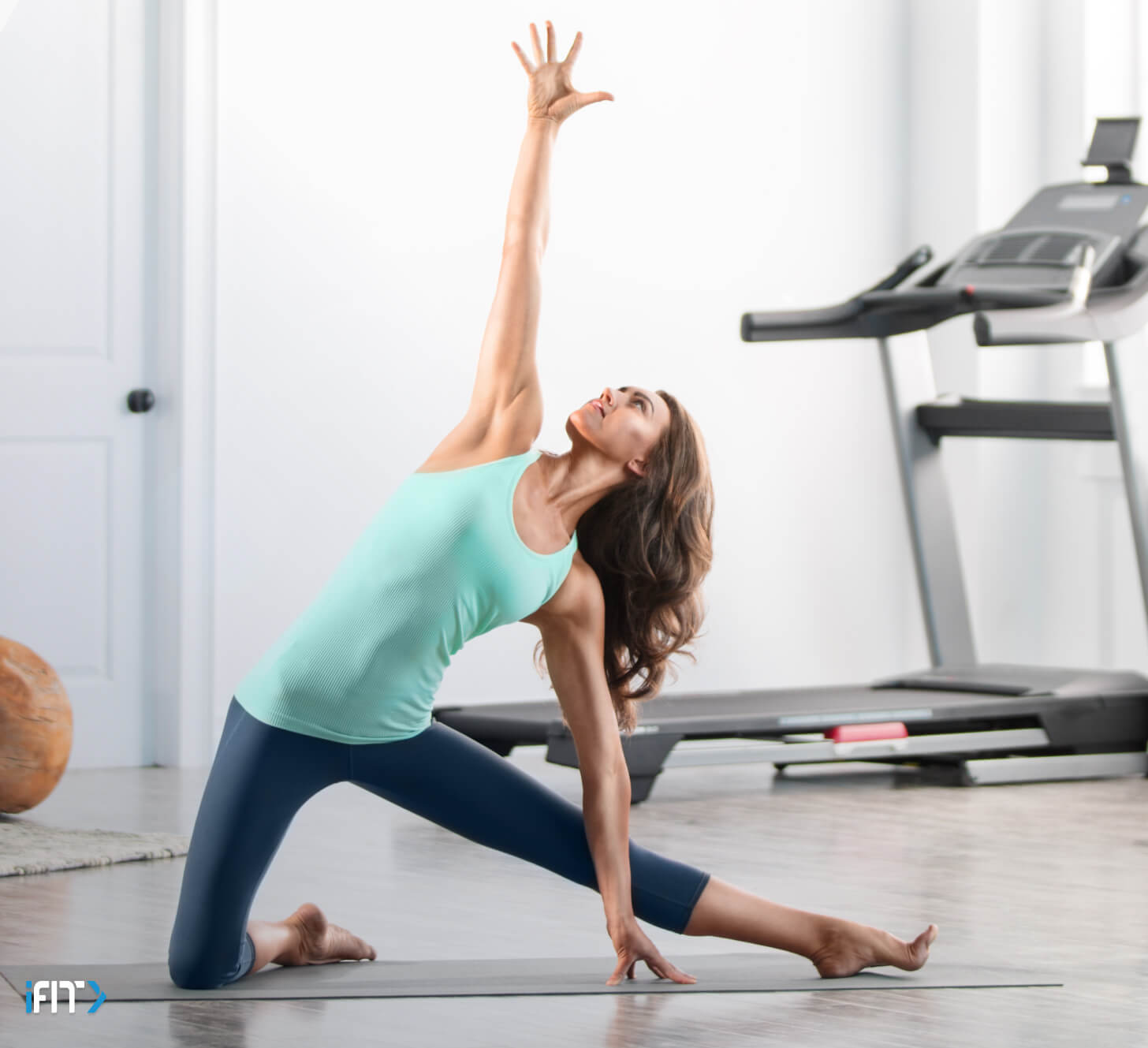
Not sure where to begin? Here are our most popular meditation and mindfulness classes, each of which offers a unique and refreshing experience.
Anxiety: Work It Out Series iFIT Guide Dr. Jarrod Spencer
Hawaii Walking & Meditation Series with iFIT Trainers Emi Erickson and Jamie Mitchell
Heart To Heart: On Acceptance with iFIT Trainer Jesse Corbin
Jamaica Hatha Yoga Series with iFIT Trainer Faith Hunter
Mind of the Athlete with iFIT Guide Dr. Jarrod Spencer
Mood Food: Nutrition For Your Mind with iFIT Guide Dr. Eva Selhub
These meditation and mindfulness workouts are perfect for any time of the day and can be done in the comfort of your home. There is something for everyone with these, so join a mindfulness class to give your mind the space to relax and unwind.
Get going with iFIT Mind today!
These are just a few of the mindfulness and meditation workout series we have to offer in our workout Library! With our mindfulness app, you can also browse through many other meditation classes on your mobile device, some of which are specifically audio-only for on-the-go stress relief.
When you sign up for our meditation app, you’ll gain access to iFIT Mind workouts, as well as thousands of other immersive workout series all over the globe. You’ll have your very own personal trainer leading the way, challenging you to show up for yourself and start feeling better one step at a time. With iFIT, you can improve your physical and mental fitness at the same time.
Disclaimer: This blog post is not intended to replace the advice of a medical professional. The above information should not be used to diagnose, treat, or prevent any disease or medical condition. Please consult your doctor before making any changes to your diet, sleep methods, daily activity, or fitness routine. iFIT assumes no responsibility for any personal injury or damage sustained by any recommendations, opinions, or advice given in this article. Always follow the safety precautions included in the owner’s manual of your fitness equipment.
You might also like

Strength Training While on GLP-1: A 6-Week Plan
When your body weight changes, you aren’t just losing fat—research shows you risk losing lean muscle mass, too. Protecting that muscle is the key to maintaining your metabolism and everyday strength. This practical 6-week guide breaks down exactly how to structure a simple, 20-to-30 minute full-body strength routine 2–3 times a week. Built around foundational compound movements like squats and rows, this plan shows you how to safely implement progressive overload without burning out your energy. Give your body a clear signal to keep its muscle and build a routine that sticks.
May 26, 2026

Find Your Stride with Tommy Rivs in the Joy of Running Part 2: Redwoods, Workouts 1-10
There’s just something magical about taking your next step forward, especially when it means you’re surrounded by the towering redwoods and rugged beauty of California’s northern coast. iFIT Trainer Tommy Rivs’ newest series will help you experience the magic of this region with the Joy of Running Part 2: Redwoods, Workouts 1-10. This beginner-friendly program is designed to help you progress from walking to running at your own pace.Explore California’s Scenic CoastSet along breathtaking coastal trails and through scenic redwood groves, this series brings the natural beauty of Northern California to your treadmill. From the peaceful paths of Laguna Point to the rolling meadows of Mendocino Headlands, each workout is an opportunity to breathe, move, and connect with the pure joy of movement.Make Progress with Tommy RivsKnown for his thoughtful coaching and love of movement, Tommy Rivs will guide you through a mix of walking and running intervals to gradually build your endurance and confidence. Each workout keeps the speed steady while changing your movement so you can focus on how your body feels and adapts as you move.Whether you’re returning to fitness or taking your first steps toward running, this series is all about moving forward with purpose. Tommy will help you to:Develop endurance and build strength with progressive intervalsImprove your form and consistency with his expert guidanceReconnect with the joy of movement in an inspiring settingBuild confidence to take on your next running challengeThis is only the beginning; there’s so much more to come with Rivs. For now, lace up those shoes and join him for an incredible journey amongst the redwoods.Join Tommy Rivs in the Redwoods
November 3, 2025
.jpg&w=3840&q=75)
Trainer Games Complete Collection: Every Workout. Every Episode. One Epic Experience.
Experience the full intensity of Trainer Games in one place. The Trainer Games Complete Collection brings every episode, workout, and behind-the-scenes moment together inside the iFIT fitness app, so you can train, watch, and stay inspired alongside elite trainers from start to finish.
February 16, 2026