Welcome to 2019! For many of us, the last few weeks might have been an overwhelming blur comprised of holiday cheer and season’s greetings. Now, it’s time to think about your personal goals and growth. At this point, we’ve probably all forgotten about last year’s resolutions, but if you haven’t, did you stick to them successfully? Or is there something you would have done differently? Now that the year has come to an end, it’s time to think of a new resolution (or resolutions, perhaps). A new year means a fresh start and a chance for new opportunities, but, most importantly, a new year is full of potential when it comes to making life changes.
Whether you want to lose weight, exercise more, sleep better, be more active, or anything that might lead you to a healthier you, it’s important to focus on the steps you’ll take to get there. This year, we’re focusing on small milestones that will help you stay consistent throughout the year. By highlighting Nutrition, Activity, Exercise, and Sleep, iFit’s four fitness essentials, you’ll make lasting changes towards a healthier lifestyle.
While we tend to focus on healthy eating and exercise in order to get fit, many people don’t realize the importance of active recovery and consistent sleep when it comes to taking care of our bodies. In fact, the amount of sleep you get each night can influence your physical health, and even make you less susceptible to certain health issues.
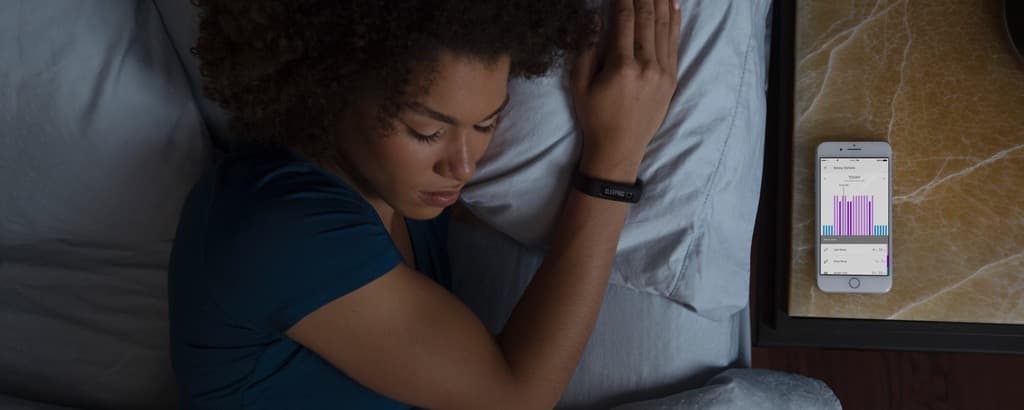
Our pro tip: use iFit Coach and our Sleep HR disk to track your nightly sleep and get helpful tips for better rest. For some extra inspiration, here are 8 sleep facts you need to know:
1. Sleeping reduces stress
Stress and sleep have a two-way relationship. While getting a good night’s rest can help reduce stress, high levels of stress make sleeping more difficult, even leading to sleep disorders like insomnia—the chronic inability to sleep through the night. According to Dr. Neil Kavey, director of Sleep Disorder Center at Columbia University, stress also causes hyperarousal, which upsets the balance between sleep and wakefulness [1]. Dr. Kavey recommends spending some time winding down, giving yourself a period of time to relax before your sleep system takes over. Stop all work and phone calls two hours before bed. About an hour before bed, turn off the TV and listen to music or read.
2. Sleeping helps weight balance
Several studies have found connections between insufficient sleep and weight gain. During sleep, our bodies secrete hormones that help control energy metabolism, appetite, and glucose processing. Sleep deprivation messes up the balance of these and other hormones. Insufficient sleep is also associated with lower levels of leptin, a hormone that alerts the brain that it has enough food, as well as higher levels of ghrelin, a biochemical that stimulates appetite. Kristen Knutson, an associate professor at Northwestern School of Medicine, insists that future research should determine whether efforts to improve sleep can also help prevent the development of obesity, among other diseases [2]. When you don’t get enough sleep, you may be more likely to eat sweets to satisfy a craving for a quick energy boost.
3. Sleeping decreases risk of diabetes
If good sleep can help reduce weight gain and metabolic imbalance, it may not come as a surprise that it can also reduce the risk of becoming diabetic. Sleep loss can result in insulin resistance, one of the main precursors of diabetes. Insulin helps your body use glucose as energy, so low insulin levels result in high blood sugar, which can harm your kidneys, eyes, nerves, and heart. Registered Dietitian Lynn Maarouf has studied the relationship between sleeplessness and diabetes [3]. In order to avoid the cycle between lack of sleep and spiking your blood sugar, she recommends eating properly throughout the day to keep blood sugar levels under control and getting a good night’s sleep!
4. Sleeping improves heart health
There are many factors that can help keep your heart happy and one of them is sleep. Many studies have found that sleep deprivation can increase the risk of heart disease and cause high blood pressure, putting your body in a tense, unhealthy state. Dr. Gina Lundberg, clinical director of Emory Women’s Heart Center, has found that people who lack sleep have slower metabolisms, making them more susceptible to heart disease [4]. Lundberg also points out that a good night’s sleep does not necessarily mean more hours. When we are young, we need more than seven hours of sleep per night, but as we grow older, we may need less. Studies have found that most people need six to eight hours of sleep each day, but too little or too much can increase the risk of cardiovascular problems. The trick is to find the perfect balance for your body!
5. Sleeping promotes mental wellness
It’s safe to assume that we’ve all felt a little less like ourselves after a poor night’s sleep. Lack of rest and energy has been found to negatively impact your mood and mental state. The relationship between poor sleep and depressive disorders is a complex, two-way street; depression may cause sleep problems and sleep problems may contribute to depression. While having a sleep disorder does not necessarily cause depression, it can be a key contributing factor. Researchers suggest that the risk of developing depression is highest among people with both sleep onset and sleep maintenance insomnia [5]. If you find yourself feeling depressed for long periods of time, check your sleep routine and make sure you are getting a full night’s rest!
6. Sleeping boosts your immune system
Lack of sleep can also affect your immune system, making it easier for you to fall victim during flu season. Studies have shown that people who don’t get enough sleep are more likely to get sick after being exposed to a common virus. According to Dr. Eric Olson, poor sleep can also affect how fast you recover if you do get sick [6]. During sleep, your immune system releases proteins called cytokines, some of which help promote sleep. Cytokines need to increase when you have an infection or inflammation, or when you’re under stress. Sleep deprivation decreases the production of these protective proteins, among other infection-fighting antibodies, making it more difficult for you to recover.
7. Sleeping affects inflammation levels
It is important to keep in mind that a healthy amount of sleep does not necessarily mean more hours. In fact, researchers have found that both too much sleep and too little sleep contribute to increased levels of inflammation in our bodies [7]. Inflammation is a reaction in your body that aims to protect you from infection or other viruses. Natural levels of inflammation are good, but too much inflammation can lead to chronic diseases such as asthma, inflammatory bowel disease, rheumatoid arthritis, and even certain types of cancer. A balanced amount of sleep helps keep your body’s defenses in check!
8. Sleeping lowers your risk of Alzheimer's disease
A good night’s sleep can reduce the risk of Alzheimer’s disease. In a new case study, researchers found that sleep deprivation led to an increase in beta-amyloid, a protein in the brain associated with impaired brain function and Alzheimer’s disease. Dr. Ehsan Shokri-Kojori, the lead author in the study from the National Institute on Alcohol Abuse and Alcoholism (NIAAA), scanned the brains of 20 healthy participants after getting a full night’s rest and after a night of sleep deprivation [8]. She found that beta-amyloid increased 5% in participants’ brains after losing sleep. A build-up of this protein can be detrimental to brain health and could make you more susceptible to early onset Alzheimer’s disease.
A good amount of sleep is necessary for maintaining a healthy mental and physical state. Your sleep routine can affect the way you think, behave, and feel, so make sure you listen to your body as you stay consistent through this year. Don’t forget to try our Sleep HR disk, too! It’s a simple tool that you can slip under your mattress to track your nightly patterns, then get professional feedback on how you can improve your sleep environment and habits!
For other New Year’s tips, be sure to check out our compatible articles: “New Year, New Nutrition,” “New Year, New Activity,” and “New Year, New Exercise.”
References:
- Kavey, Neil. "Stress and Insomnia." National Sleep Foundation, 2001, sleepfoundation.org/ask-the-expert/stress-and-insomnia/page/0/1.
- Wiley-Blackwell. "Lack of sleep is linked to obesity, new evidence shows." ScienceDaily. ScienceDaily, 17 April 2012. www.sciencedaily.com/releases/2012/04/120417080350.htm
- Mann, D. “Coping with excessive sleeplessness: the sleep-diabetes connection.” Web MD, 2014. www.webmd.com/sleep-disorders/excessive-sleepiness-10/diabetes-lack-of-sleep.
- "Sleep & Heart Disease." Go Red for Women, American Heart Organization, www.goredforwomen.org/live-healthy/first-steps-to-prevent-heart-disease-and-be-heart-healthy/sleep-heart-disease/.
- Taylor, Daniel J. et al. “Epidemiology of insomnia, depression, and anxiety.” Sleep 28 11 (2005): 1457-64.
- Olson, Eric J. “Lack of sleep: Can it make you sick?” Mayo Clinic. www.mayoclinic.org/diseases-conditions/insomnia/expert-answers/lack-of-sleep/faq-20057757.
- Bushak, Lecia. "Sleep Right: Too Little Or Too Much Increases Low-Grade Inflammation, Risk Of Depression And Diabetes." , Medical Daily, 16 Sept. 2015, www.medicaldaily.com/sleep-right-too-little-or-too-much-increases-low-grade-inflammation-risk-depression-352742.
- "Sleep deprivation increases Alzheimer’s protein." National Institute of Healh, U.S. Department of Health and Human Services, 24 Apr. 2018, www.nih.gov/news-events/nih-research-matters/sleep-deprivation-increases-alzheimers-protein.
You might also like

Strength Training While on GLP-1: A 6-Week Plan
When your body weight changes, you aren’t just losing fat—research shows you risk losing lean muscle mass, too. Protecting that muscle is the key to maintaining your metabolism and everyday strength. This practical 6-week guide breaks down exactly how to structure a simple, 20-to-30 minute full-body strength routine 2–3 times a week. Built around foundational compound movements like squats and rows, this plan shows you how to safely implement progressive overload without burning out your energy. Give your body a clear signal to keep its muscle and build a routine that sticks.
May 26, 2026

Find Your Stride with Tommy Rivs in the Joy of Running Part 2: Redwoods, Workouts 1-10
There’s just something magical about taking your next step forward, especially when it means you’re surrounded by the towering redwoods and rugged beauty of California’s northern coast. iFIT Trainer Tommy Rivs’ newest series will help you experience the magic of this region with the Joy of Running Part 2: Redwoods, Workouts 1-10. This beginner-friendly program is designed to help you progress from walking to running at your own pace.Explore California’s Scenic CoastSet along breathtaking coastal trails and through scenic redwood groves, this series brings the natural beauty of Northern California to your treadmill. From the peaceful paths of Laguna Point to the rolling meadows of Mendocino Headlands, each workout is an opportunity to breathe, move, and connect with the pure joy of movement.Make Progress with Tommy RivsKnown for his thoughtful coaching and love of movement, Tommy Rivs will guide you through a mix of walking and running intervals to gradually build your endurance and confidence. Each workout keeps the speed steady while changing your movement so you can focus on how your body feels and adapts as you move.Whether you’re returning to fitness or taking your first steps toward running, this series is all about moving forward with purpose. Tommy will help you to:Develop endurance and build strength with progressive intervalsImprove your form and consistency with his expert guidanceReconnect with the joy of movement in an inspiring settingBuild confidence to take on your next running challengeThis is only the beginning; there’s so much more to come with Rivs. For now, lace up those shoes and join him for an incredible journey amongst the redwoods.Join Tommy Rivs in the Redwoods
November 3, 2025
.jpg&w=3840&q=75)
Trainer Games Complete Collection: Every Workout. Every Episode. One Epic Experience.
Experience the full intensity of Trainer Games in one place. The Trainer Games Complete Collection brings every episode, workout, and behind-the-scenes moment together inside the iFIT fitness app, so you can train, watch, and stay inspired alongside elite trainers from start to finish.
February 16, 2026